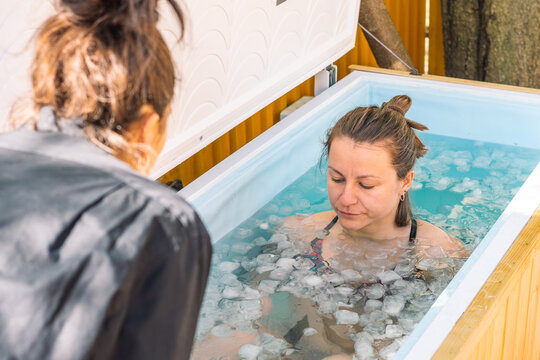
With its myriad of benefits for both mind and body, the practice of immersing oneself in icy-cold water has gained immense popularity in recent years. From reducing inflammation and improving circulation to boosting energy levels and enhancing mental clarity, the ice plunge has become a go-to wellness ritual for many. However, not everyone has access to expensive commercial ice baths or natural bodies of freezing water. Fear not! In this blog post, we will uncover the secrets of constructing your own cost-effective ice plunge right at home, allowing you to experience the invigorating wonders of this ancient practice without breaking the bank. So, roll up your sleeves and prepare to dive into the chilly world of DIY ice plunges, where rejuvenation and relaxation await!

What you will need:
- Chest Freezer (View on Amazon)
- Inkbird ITC-308 Digital Temperature Controller (View on Amazon)
- Marineland Aquarium Filter (View on Amazon)
- Flex Shot Rubber Adhesive (View on Amazon)
1. Pick Your Chest Freezer
First you will need to find a chest freezer. Aim for 9 cu ft or larger. If you have used a traditional ice bath like the nurecover then you should be fine using a 9 cu ft chest freezer. If you are a larger individual then you may want to get something around 15 cu ft to allow for more room. We recommend the 10 cu ft chest freezer from amazon. Its a great size for most ice plungers and wont take up much space in your garage or back porch.
2. Seal Your Freezer
Once you have your chest freezer then it’s time to get it ready to be filled up with water. Use an adhesive like Flex Shot to seal up all the cracks and edges inside the freezer. If your freezer has a drain plug, its recommended to seal that as well as to avoid any unintended leaks. It’s important to clean and dry the inside of the freezer before adding the adhesive. Once complete, let dry for 24 hours or as directed.
3. Add Water
After 24 hrs your chest freezer is ready for water! Start by filling the freezer half way. Depending on the size of the freezer you may need more or less water. Its best to find out by adding water after you get inside the chest freezer to get the water exactly where you want it. Its recommended to have the water right at the collar bones, but this is ultimately your preference.
SAFETY NOTE: To avoid electrocution, be sure to unplug the freezer before touching the water!!
4. Add Temperature Controller
Most often cold plungers who use a chest freezer will purchase an automatic timer to run their chest freezer for 1-2 hours a day (typically at night) to keep their water cold. To adjust the temperature of the water they fine tune the length of time the freezer is on, however there is a more sophisticated way. By using the Inkbird ITC-308 Digital Temperature Controller you can select the exact temperature you want your water in your cold plunge. It works by reading the temperature of the water using a probe inside the freezer then turns the freezer on or off depending on the temperature you have selected. It’s genius. Make sure you have your freezer plugged into the temperature controller and your temperature controller is plugged into the wall.
Here is a great video explaining how to set up the Inkbird ITC-308 Digital Temperature Controller: Inkbird ITC-307 Temperature Controller – quick setup
5. Water Sanitation
There are a number of ways to ensure the water in your tank stays clean and bacteria free. First of which is to get the water moving with a Marine Land Water Filter. This will circulate the water and filter out any contaminants from repeated use. If you want to take it a step further you can purchase an Ozone Generator. An ozone generator works by producing ozone (O3) gas, which is a powerful oxidizing agent. When introduced into water, ozone helps keep it clean by breaking down organic contaminants, killing bacteria, and eliminating unpleasant odors, ultimately improving water quality. This is a great way to keep the water clean without using chlorine or other chemicals. After several weeks of usage even if you are taking showers before the cold plunge the water will need to be changed. Its recommended to change the water every few weeks.
Enjoy Your Cold Plunge!
Now that you have your cold plunge all set up, its time to enjoy the lasting benefits of cold immersion therapy! Dr. Huberman, a neuroscientist at Stanford University recommends a minimum of 11 minutes of cold exposure per week. He recommends starting slowly and gradually reducing the temperature of the water. As a rule of thumb the colder the water, the shorter the amount of time you need to spend in the plunge to see the benefits. Now enjoy your cold plunge!
Here are some books on cold plunging we recommend!



 Electro Flyer
This is so helpful!
LikeLiked by 1 person